

A Postcard from Jakarta
If you are heading to the Indonesian island of Java (and I highly recommend you do), it’s likely your first stop will be the country’s capital. Jakarta cannot be described as a calm city and visiting this thriving capital is to be thrown into the midst of modern Indonesia. The city’s history, however, is still very present and is seen throughout in traditional Indonesian architecture, music and art. You’ll also be able to see lingering influences of Dutch colonialism, particularly in Jakarta’s old town, Kota Tua where the Dutch first established a base in the 16th century. This neighbourhood contains Fatahillah Square – the bustling setting for traditional dance shows and a range of fantastic restaurants and cafés. While you’re there, make sure to make time for both the Jakarta History museum and the Wayang Museum – a great museum dedicated to Javan Wayang puppetry. If you’re interested in the history of Indonesia and particularly the country’s struggle for independence, you may also want to visit Monas Tower in the middle of Merdeka Square. After you’ve exhausted the museums at Fatahillah Square, it’s an easy 20 minute walk to Glodok village to grab some dinner. This is Jakarta’s Chinatown and there’s plenty of delicious Chinese food popular with tourists and locals.
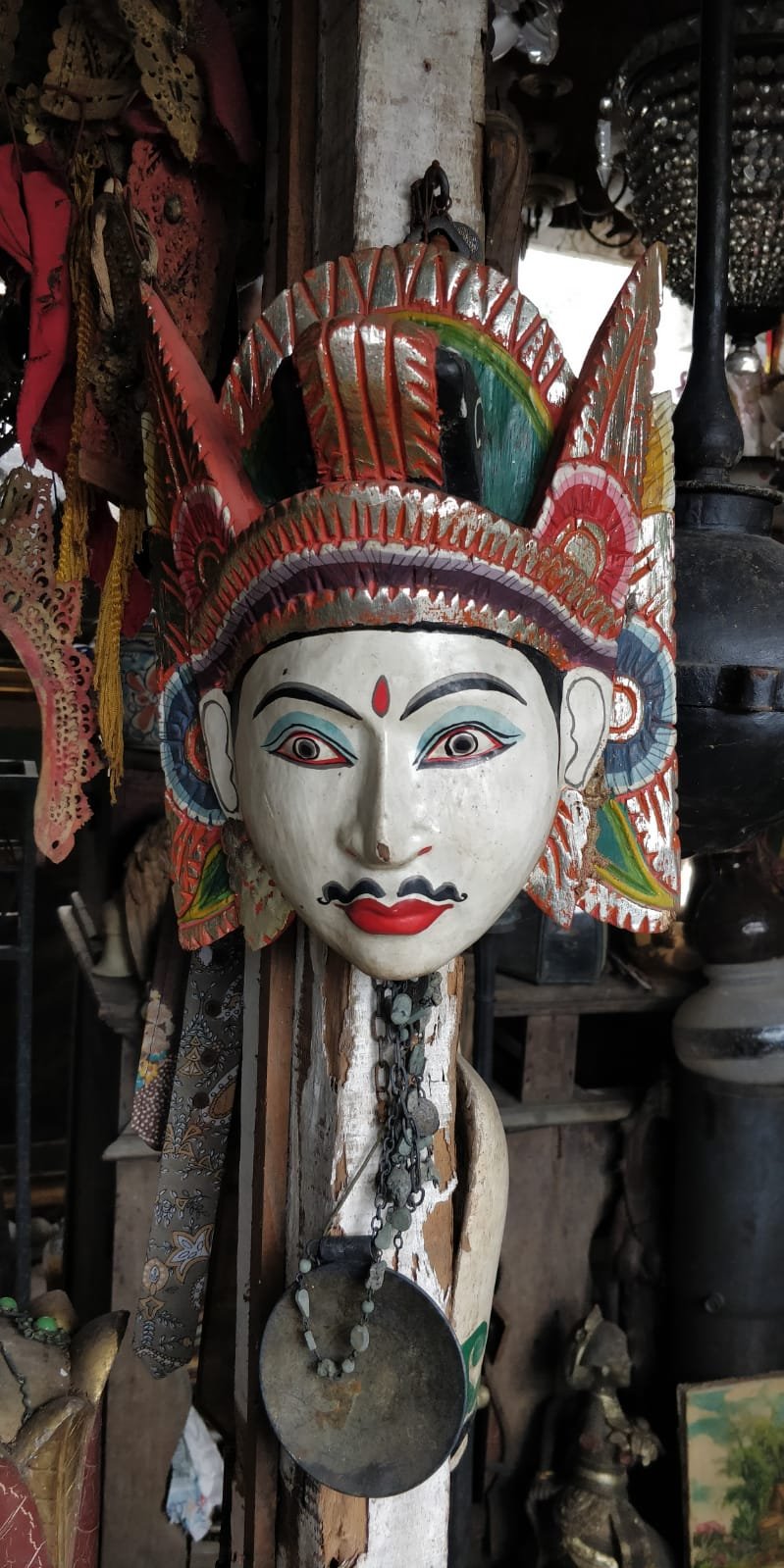
When venturing beyond Kota Tua, you’ll be faced with multiple rows of traffic lined with hectic, hustled streets comprising hotels, restaurants, cafés and homes. While you may at first have to build a little nerve, you’ll be surprised how quickly you become accustomed to stepping out into the ever present, honking mass of cars that snake around the city. After wandering around you’ll find the roads give way to picturesque garden oases and water features that provide a green and leafy counterbalance to the heaving streets.There are many gorgeous parks peppered across the city but my two favourites were Taman Waduk and Tasman Cattleya (popular for its sculptures and pond).
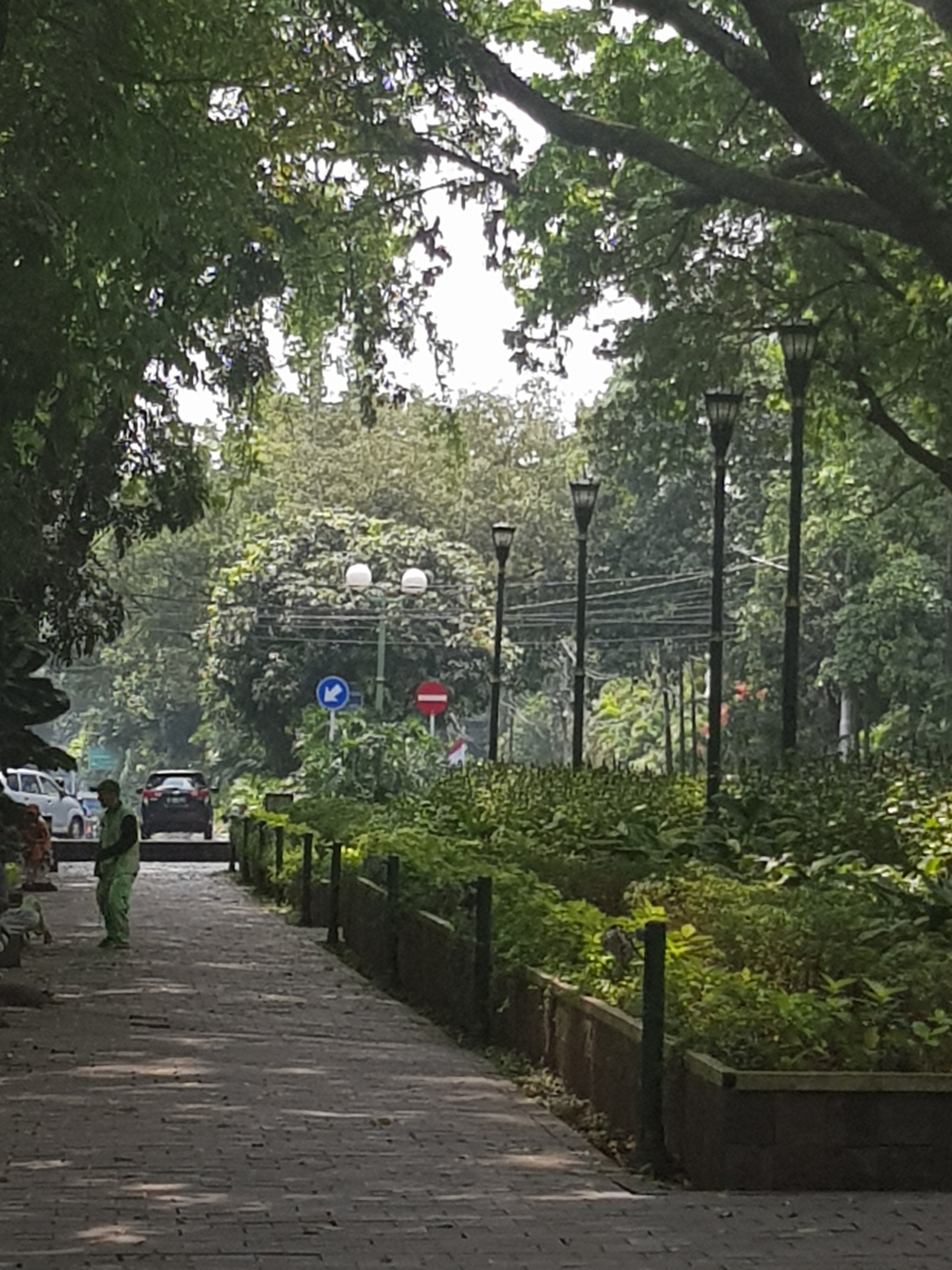
Jakarta, unlike many popular destinations, does not hide behind a touristic façade so don’t expect the typical idyllic, Indonesian scenes displayed on postcards and splashed across Instagram. Instead, you’ll find a working city whose quaint delights are found in the wide range of street food options and the markets made for and used by locals. A market worth checking out is the Menteng Flea Market. This is a busy, friendly market stretching along the seemingly endless Surabaya street where you can buy antiques, beautiful jewellery, art and traditional puppets and masks. While there are definitely treasures to be found here, most stalls contain very similar items so there’s no need to spend more than an hour browsing. If you prefer more upscale shopping, you should head to Tasman Anggrek Mall. This complex has metal detectors and security guards at the entrances and is full of high-end shops and cafés.

If you’re desperate to get to a beach, you can find one on the Ancol resort. There is a small entry fee of 25,000 Rp to the resort but inside you’ll find a weld looked after beach, theme park rides, a pool, hotel and various restaurants. For dinner, we visited a restaurant called Talaga Sampireun (which comes from a Sundanese word for ‘resting by the lake’) and our experience there was possibly the highlight of our trip to Jakarta. You can be sat in a private lakeside area from which you can see the lights reflect in the water as the evening descends. We had some of the best Indonesian food of our entire trip here, however, the best part is that you can buy small packets of fish food to throw into the lake and watch hundreds of bright orange fish burst onto the surface of the lake before disappearing. The Ancol beach is fun and relaxing wouldn’t satisfy daydreams of white sandy beaches. These ideals can be found, however, by visiting the Thousand Islands – a chain of islands technically part of Jakarta but off the north coast. Visiting the Thousand Islands is possible via day trip boat tours that are offered throughout the city at various tourist information stands and at many hotels and hostels.
Probably the easiest and quickest way to move across the city is by either a taxi or by scooter. The Grab app is great if you require a car taxi and the Gojek app can used for scooters. Both are cheap and give you an estimated price as well as being reliable and safe. The city is huge, and the attractions are spread out, so walking is often impractical and sometimes impossible. Indeed, when waking, we often found that even if we could see where we wanted to go, it was very difficult to get there because of all the huge roads and transport infrastructure. The public transport is decent and there are buses that travel across the city. These are cheap and usually very frequent but don’t continue very late into the evening. The bus stations and their accompanying structures are huge and span across motorways. I found that catching the bus is quite a serious affair and in order to use the bus, you first buy a Jakarta travel card from the staff that are stationed at the station and load some money onto it. You can then use this to get through the barriers and hop on a bus. The buses are efficient and do not stop for very long so be ready to jump on. Also, make sure you are at the correct boarding platform – there are separate one’s for priority passengers. Buses are clean, felt safe even at night and most had air con.
I stayed three nights in Jakarta and after meeting other tourists, it became clear that Jakarta is a city of transit. It seems there are two kinds of tourist visiting Jakarta. The first were the people who had just arrived in Indonesia. They stayed long enough to sleep off their jet lags and to lazily wander around but were anxious to move on – to them, Jakarta was a gateway to Indonesia and they were excited to move onward. The second were the people who had come to the capital on an administrative venture. They were jaded, having been in Jakarta for weeks and in some cases months, sorting out visas or waiting for replacement passports. From my experience, Jakarta should not be ignored. There is a lot worth seeing in Jakarta and three days is a good time to leisurely explore and get a feel for the city.
It’s important to note that Jakarta is the economic, financial and political centre of Indonesia and therefore, often the scene of protests and political disturbances. Make sure you are up to date with the local news and events when you travel and always move to a safe space. During my visit, the country was in the run up to an election and the streets were buzzing with political activity. A few days after we left, this activity turned into extensive and ultimately dangerous protests and tragically, some protesters were hurt. However, recently it’s been announced that Indonesia’s capital will be moved to a yet unbuilt city in Kamara on the island of Borneo, in order to relieve some of the pressure on Jakarta. Another reason for the move is that Jakarta has a high risk of flooding due to rising sea levels. This is a terrifying prospect considering the number of residents in Jakarta that would be affected but also because Jakarta is a wonderful city and it would be devastating if any of it were lost.
Indonesia South East Asia Travel Blog Indonesia Jakarta Java travel

 Send A Postcard