

A Postcard from Yogyakarta
Yogyakarta, known colloquially as Jogja, is a lively but small city on the Indonesian island of Java with a welcoming and relaxed atmosphere. We arrived via train from hectic Jakarta and as the train trundled towards Yogyakarta, the scenery from the widow changed dramatically. The foliage on each side thickens, looking tropical and jungle-like with occasional shacks appearing in the thicket, occasionally giving way to immense hills of rice plains. Exhausted after a sleepless 8 hours on the overnight journey, the early morning air in sleepy Jogja was refreshing and kept us going for the walk to our hostel past free roaming chickens and rustic wooden houses. Yogyakata has a high student population and like most student cities, has a very easy-going feel and is generally cheaper than other areas of the country. It’s smaller size and tropical, secluded location means you never feel far away from the natural world in Yogyakarta; as though the outside and inside are never fully separate.

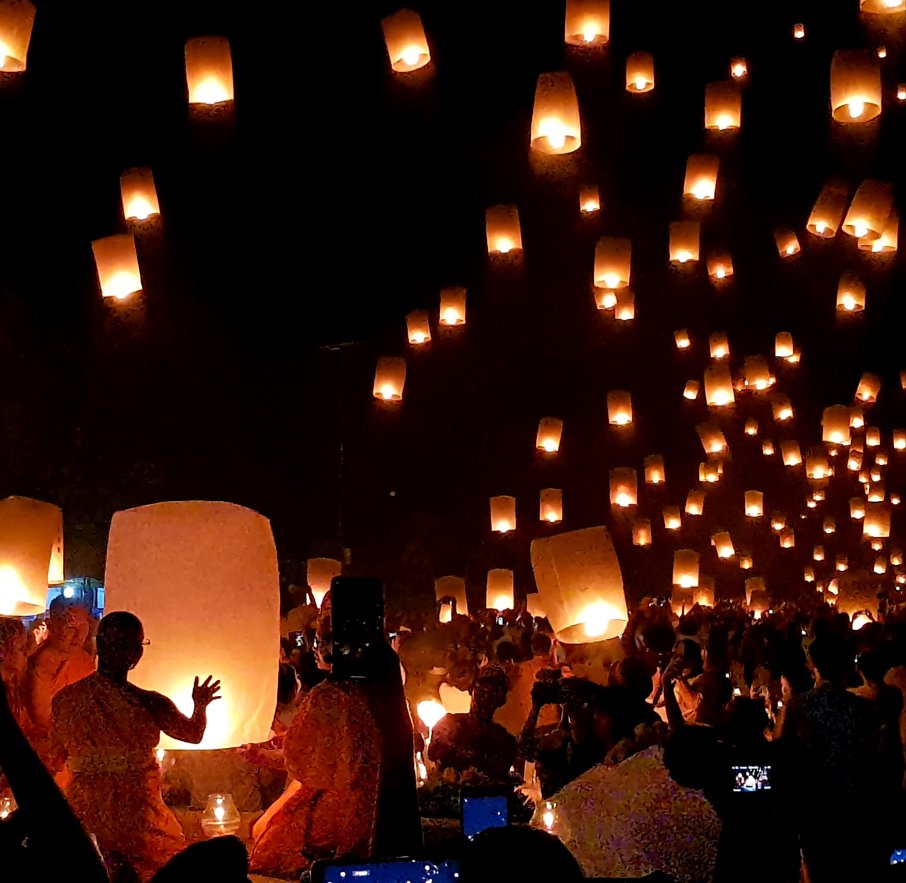
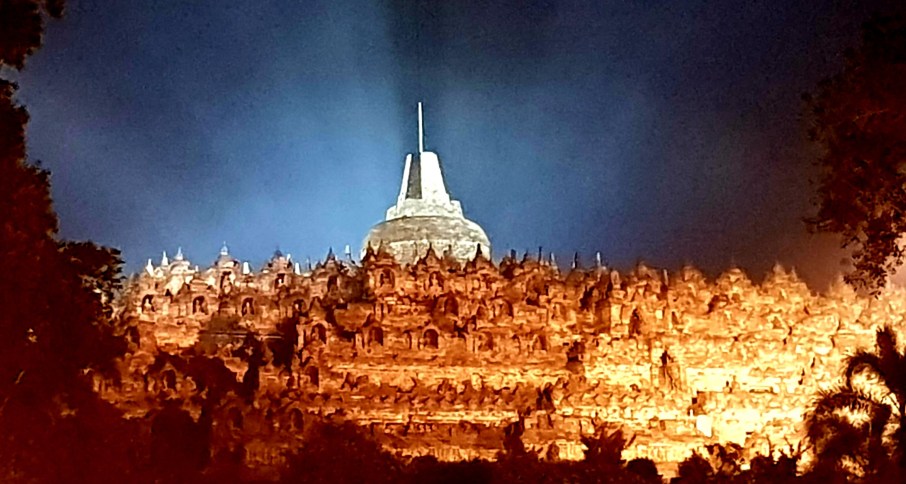
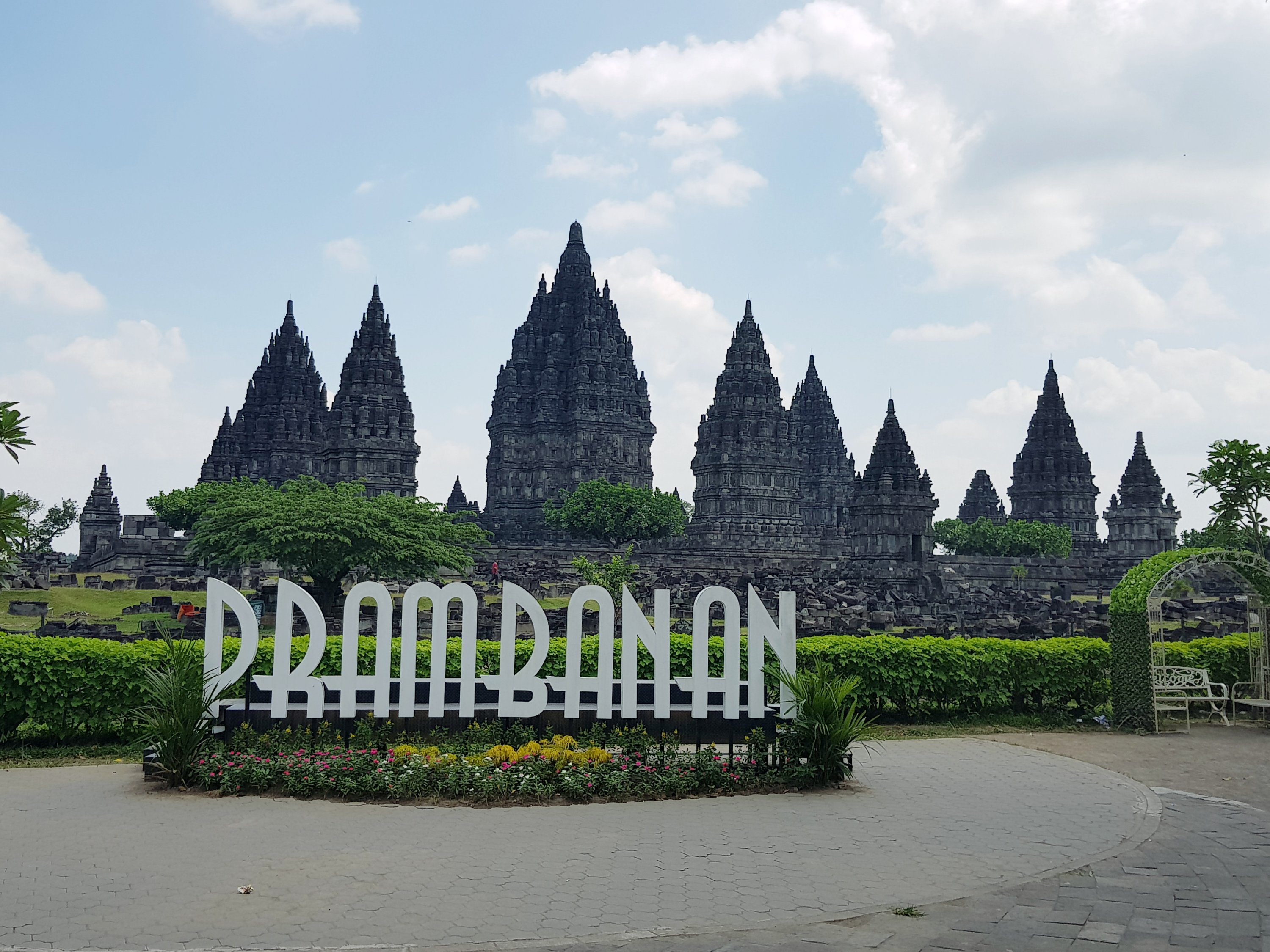
Yogyakarta is probably best known for its proximity to Borobudur and Prambanan – two incredible temples and UNESCO world heritage sites. Prambanan is a 9th century Hindu temple compound consisting of 240 individual temples dedicated to Shiva, Brahma and Vishnu. You can get there by bus from Yogyakarta’s centre. The buses begin quite early which s useful since it’s best to time your visit to avoid the midday heat. Tours are available at the entrance (free if you accept guidance from a trainee tour guide) but the site can easily be explored without one. Borobudur is the world’s biggest Buddhist monument, also built on the 9th century. It’s a little further outside of Yogyakarta so the best way to get there is by taxi or joining a tour. Tour guides are available at entrance and the site is easy valuable on foot. We were lucky enough to visit Borobudur for the Vesak lantern festival which occurs annually around mid may. The festival commemorates the three most important events of Buddha’s life and during the lantern ceremony, hundreds of lit paper lanterns symbolising peace are released into the night sky creating an awe-inspiring image and stunning the crowds.
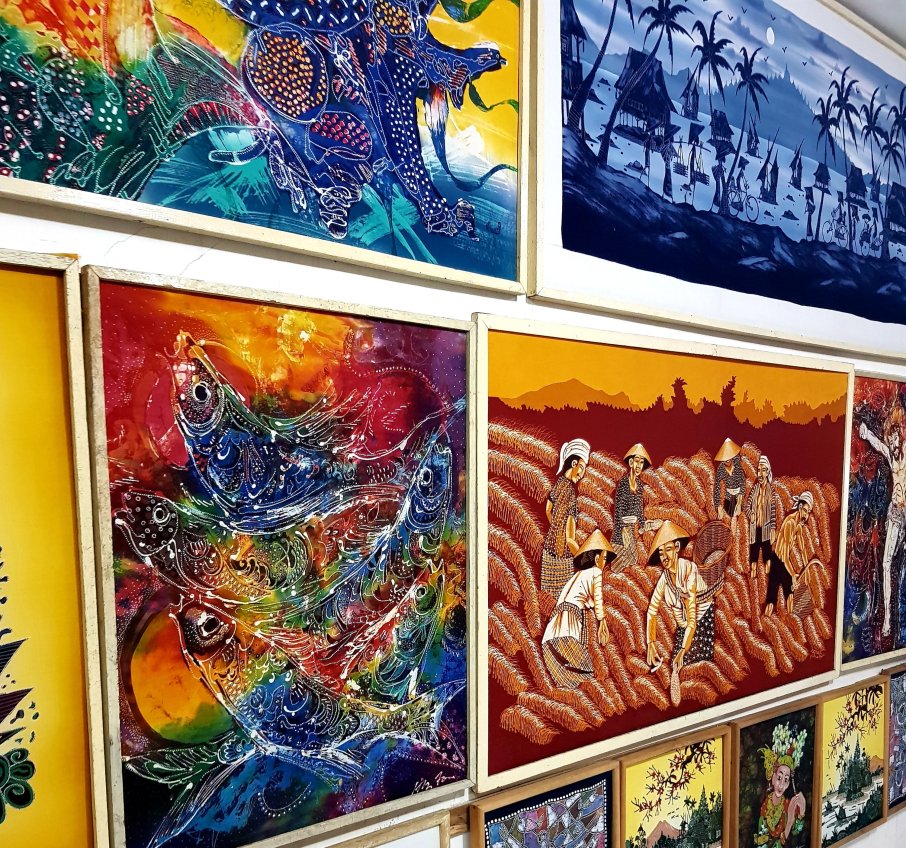
Another reason to visit the lovely Jogja is for the renowned art scene that many performers intellectuals and artists flock to. As a hub of Javanese dance, art, music and spirituality, there’s plenty of culture to get absorbed in such as the brilliant shows of Wayang Kulit Shadow puppetry. Batik is a famous Indonesian art form in which fabric is decorated with wax and dye to create beautiful colourful patterns that can be framed for wall art or used as clothing. There are countless batik clothing shops and exhibitions throughout the city, however, you should be careful of a popular scam. Market sellers or other locals are likely to strike up conversation before kindly offering to take you to a nearby batik exhibition. The exhibition that we were taken to had beautiful pieces covering the walls and floor and we were in awe at the beautiful designs. We were told that the exhibition was ending that day, but this obviously wasn’t true and, in a city famous for batik, there will always be opportunities to purchase some artwork. We didn’t know this at the times didn’t check but apparently you can tell between a real batik piece and a print by looking at the reverse side. An authentic batik will be just as vibrant and indistinguishable on both sides whereas a print wouldn’t.

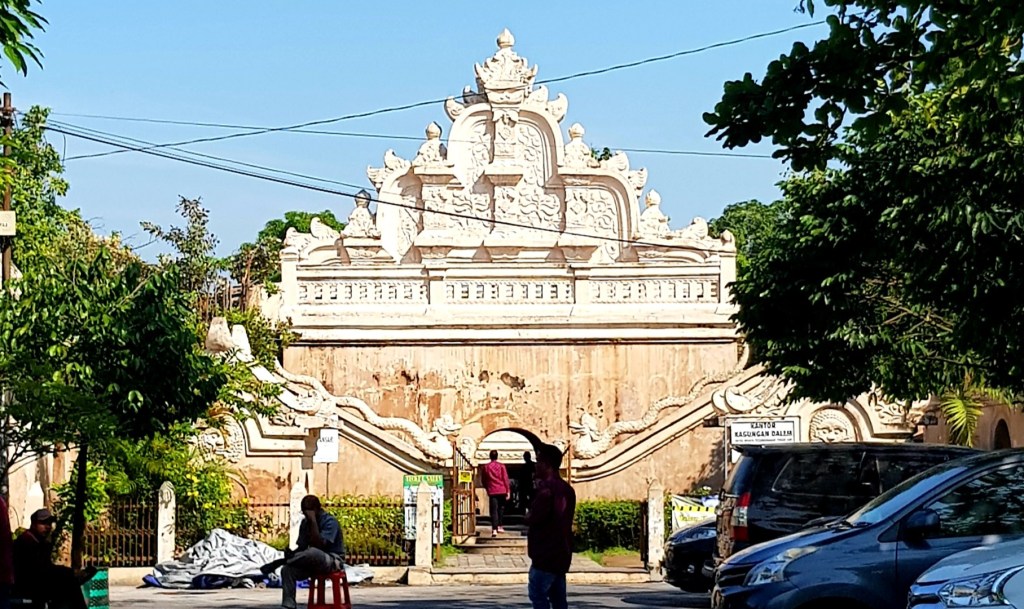
The history and politics of Yogyakarta is fascinating. A member of Matawan Kingdom royalty, Sultan Hamengkubuwono I fought and defeated his brother along with Dutch colonialism to create the city and kingdom of Yogyakarta. To honour the city’s effort for retaining Indonesian autonomy, Yogyakarta is now the only province in Indonesia to still be headed and ruled by a monarchy. A direct descendent of this Javanese hero, Sri Sultan Hamengukubuwono, is still in power today. You can immerse yourself in the history by visiting The Royal Palace of Yogyakarta and the accompanying museum. The original Sultan Hamengkubuwono I also constructed Tasman Sari, a water castle consisting of three pools: one for his children, one for his wives and a private pool for himself. We paid for a tour guide to show us around the complex and as well as being incredibly informative, he acted as a personal photographer, guiding us to all the best photo locations. Also, on site but via passageways you might need guidance to find, is a stunning underground mosque. It is no longer in use but is open for visitors to appreciate the incredible architecture and history.
The evenings in Yogyakarta really highlight the strong community feel that is present in the city. Friends, couples and families head to Alan-Alun Kida where, the city’s main square where they can drink, eat and play gems that are set up across the park. Two huge banyan trees stand in the middle of the park and legend dictates that if you are able to walk through them with your eyes closed (I promise ths is not as easy as it sounds), then you’re wish will come true. There are also games of stilts and the opportunity to take a ride in one of the brightly lit cars that are parked on the street surrounding the park. If you want to relax further in this incredibly chilled out city, you could visit a spa for a Javanese massage or even head to the cinema where tickets are only 35,000 Rp (about 2£).


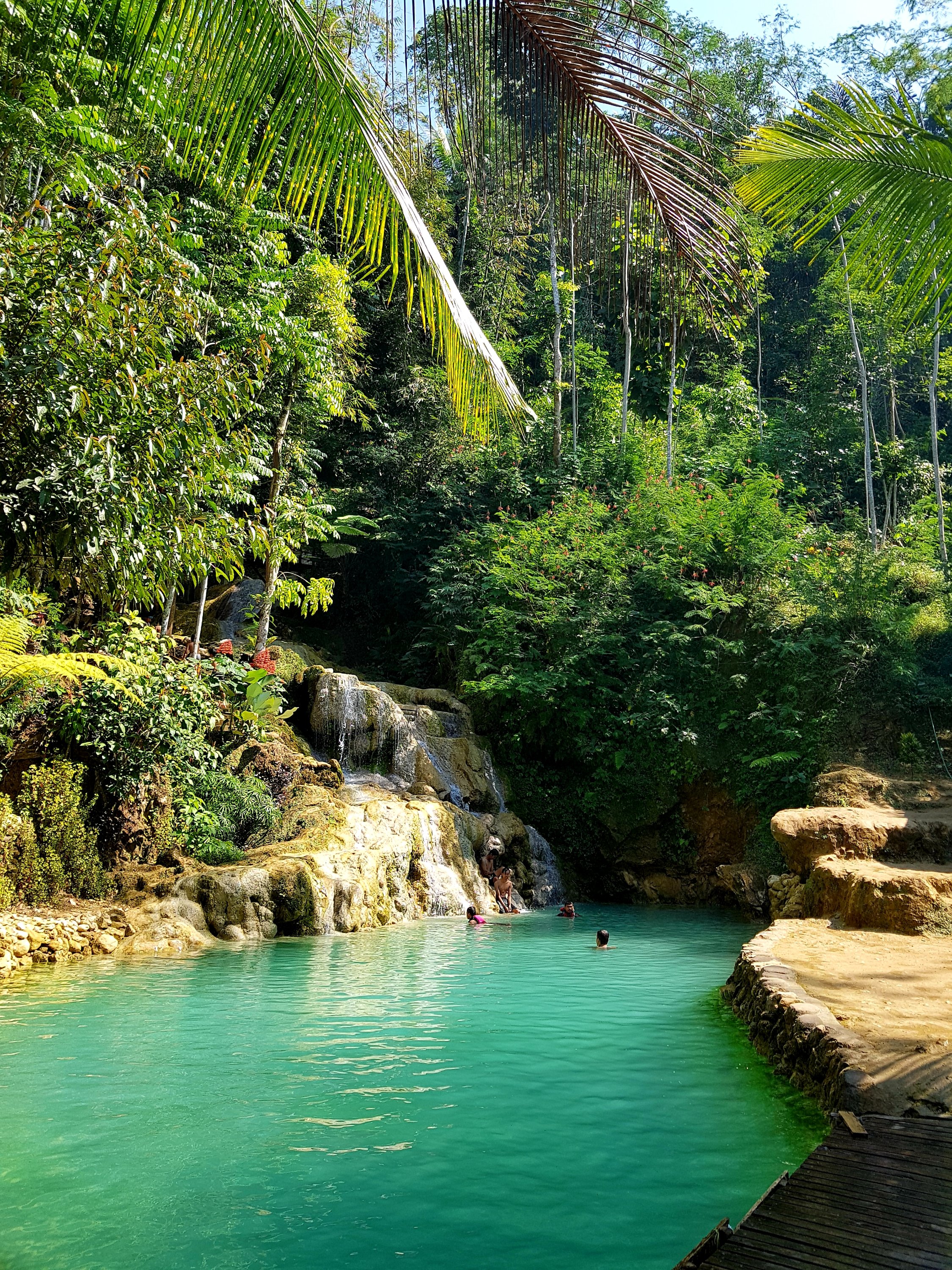
The surrounding countryside of Yogyakarta is also full of wonders. We visited the Kedung Pedut waterfall and pool which was incredible. The entrance is a near the top of this natural waterfall that forms gorgeous and inviting pools on the way down. Bridges and footpaths are built around the waterfall and at the bottom the waterfall falls into a final swimming pool sized pool of blue water. We went during the busy tourist season on a beautiful and hot day and yet, we almost had the pool to ourselves. There is a stall for and drinks on the site and the option of buying rubber rings which, of course, we enjoyed very much. The pool costs 10,000 Rp (50p) for entry which is unbelievable value for money, however, it’s hard to get to without your own moped. I’d recommend asking your hotel/hostel if they do tours or excursions. Otherwise, you can always find a tour company in the centre that does. Jogja and the surrounding area is home to many waterfalls, each with something special to offer. For even more adventurous people, there are also caves to explore. A very popular one is Jomblang Cave and again it’s best to find a tour to go with. This adventure tyre involves descending via ropes ito the vertical cave and exploring the muddy passages below. You’ll also have the opportunity to have a photo shoot looking into the ‘heavenly light’ that streams into the cave.
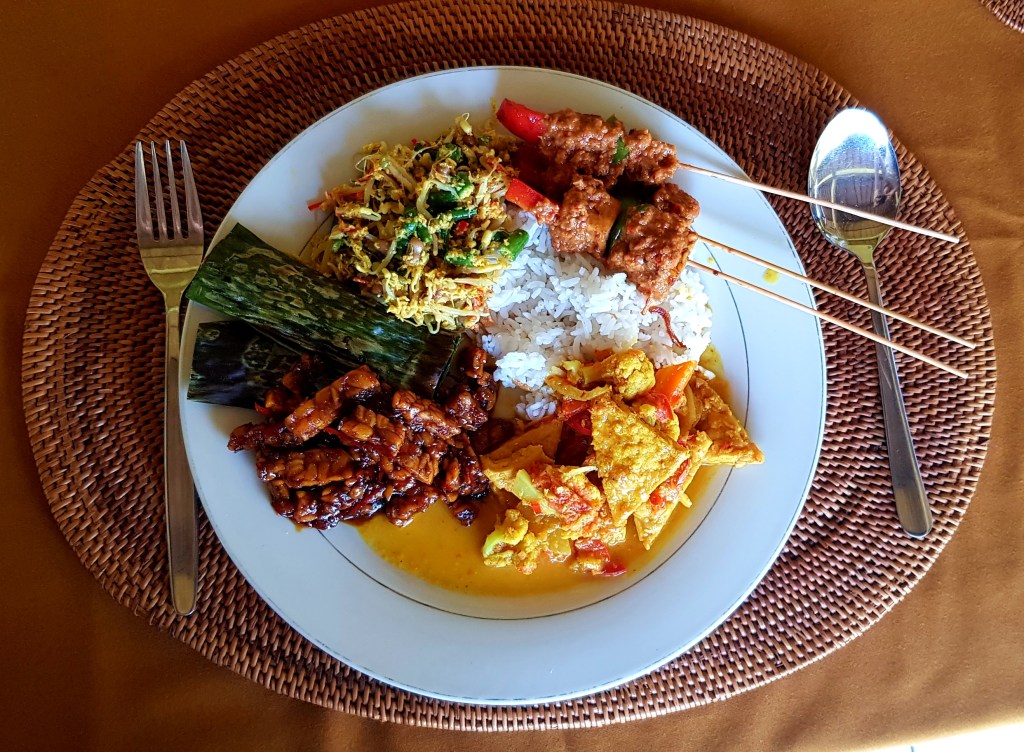
As Yogyakarta has not yet been overrun by tourism, the majority of food outlets serve typical, delicious Indonesian food. Staple dishes include a range of curries, tempeh and vegetables and rice – often served via a buffet and priced by weight. Food is incredibly cheap here and there’s a huge range of options for vegetarians and vegans. Desserts in this region are delicious. You can find green pancakes known as Dadar Gulung made with coconut and palm sugar or the many variations of delicious Jajan Pasar – a sweet, boiled sticky rice cake.
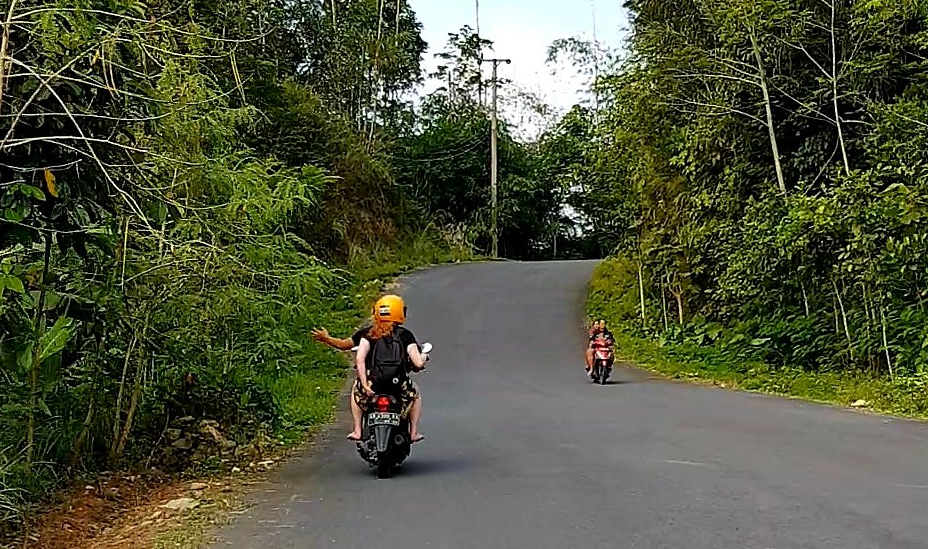
Getting around Yogyakarta is largely hassle free. This centre of this charming city is easily walkable but there are plenty of other ways to get around. Buses can take you across the city via 19 separate lines for a very small fee or alternatively, you can utilise metred street taxi’s or download the apps for Grab taxis or Gojek scooters. If you’re brave enough, there are places to rent your own scooter and drive yourself around. However, the easiest way to get around is to make good friends with someone who happens to own a scooter and is willing to drive you around.
Overall, although a smaller city, Yogyakarta has a lot to offer and I loved every second of my time there. Now and then it’s great to get out of the big cities to somewhere that is retaining traditional authenticity and identity. Additionally, despite the tours and many hostels, the city doesn’t feel commercialised or built for tourists – I’d recommend heading there soon in case this changes in the future.
Indonesia South East Asia Travel Blog Holiday Indonesia Java Jogja wanderlust yogyakarta

 Send A Postcard
WoW!! well written article and stunning pictures 🙂
BTW, if you have time, please visit my blog and if you like my posts, please follow my blog. I will #FollowforFollow 🙂
LikeLike